
From Starch Sacks to the Sultan’s Table: The 600-Year Story of Güllaç, Ramadan’s Favorite Dessert
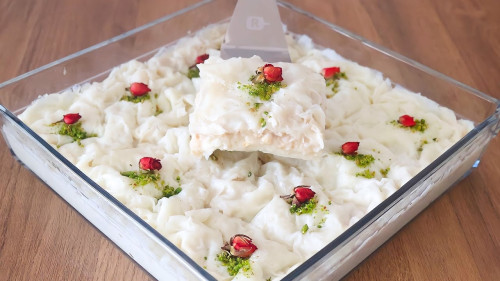
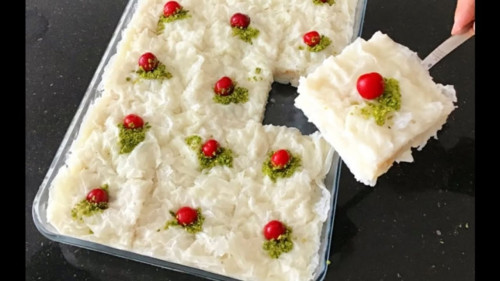
From Starch Sacks to the Sultan’s Table: The Story of Güllaç
When Ramadan arrives, the most elegant and light dessert on iftar tables is undoubtedly güllaç. For some, it is an indispensable flavor; for others, a traditional dessert approached with distance. Yet the story of güllaç tells much more than that of an ordinary sweet.
Dating back nearly 600 years, this journey began as a simple preservation method. Over time, it reached the Ottoman palace kitchen and became one of the first desserts associated with Ramadan.
A Journey That Began with Preserving Corn Starch
The history of güllaç dates back to the early 1400s. People sought ways to protect corn starch stored in sacks from moisture and insects.
The starch was mixed with flour and water, poured into thin sheets, and dried for storage. These dried sheets could later be crumbled back into starch. One day, someone thought of soaking these sheets in milk and sweetening them.
At that moment, one of the most unique milk desserts of Turkish cuisine was born: güllaç.
Kastamonu’s Ali Usta and the Ottoman Palace
Güllaç entered the Ottoman palace in 1489. According to legend, Ali Usta from Kastamonu soaked leftover starch sheets in milk, added sugar, and offered the dessert to palace officials.
The light and delicate flavor was greatly appreciated. Soon, it entered the palace kitchen, and Ali Usta earned the title of “Chief Confectioner.” Güllaç became a favorite on the sultan’s table.
From “Güllü Aş” to “Güllaç”
Originally called “güllü aş” (rose-flavored dish) due to the rose water added, the name evolved over time. Just as “sütlü aş” became “sütlaç,” “güllü aş” transformed into “güllaç.”
Rose water remains an essential signature ingredient of authentic güllaç today.
Why Is Güllaç Associated with Ramadan?
Its light structure is the main reason:
-
Low fat content
-
Easy digestion
-
Gentle on the stomach after fasting
-
Balanced rise in blood sugar
For centuries, güllaç has remained a staple of Ramadan tables.
More Than Just a Dessert
Güllaç is not merely a milk dessert; it is a cultural heritage combining Anatolia’s practical wisdom with Ottoman culinary elegance.
A story that began with preserving starch now continues as a symbol of Ramadan refinement.
- Tatlı
- Yemek
- Yerel Lezzetler
Show your reaction
- 3
- 2
- 0
- 0
- 0
- 0
- 0
- 0
- 0
- 0
- 0
- 0
- 0
- 0
- 0
- 0


Comments
Add your comment